Enfield is on the brink of a major transformation. A new planning submission by Royal London Asset Management Property proposes turning the long-standing Southbury Leisure Park into a residential-led mixed-use neighbourhood, delivering more than a thousand new homes alongside commercial and community spaces.
This shift reflects a wider trend across London: under-used leisure and retail sites are being reimagined as places to live, work and connect. But behind every regeneration scheme lies a quieter, practical reality; the movement of people, businesses, and belongings that turns planning proposals into living communities.
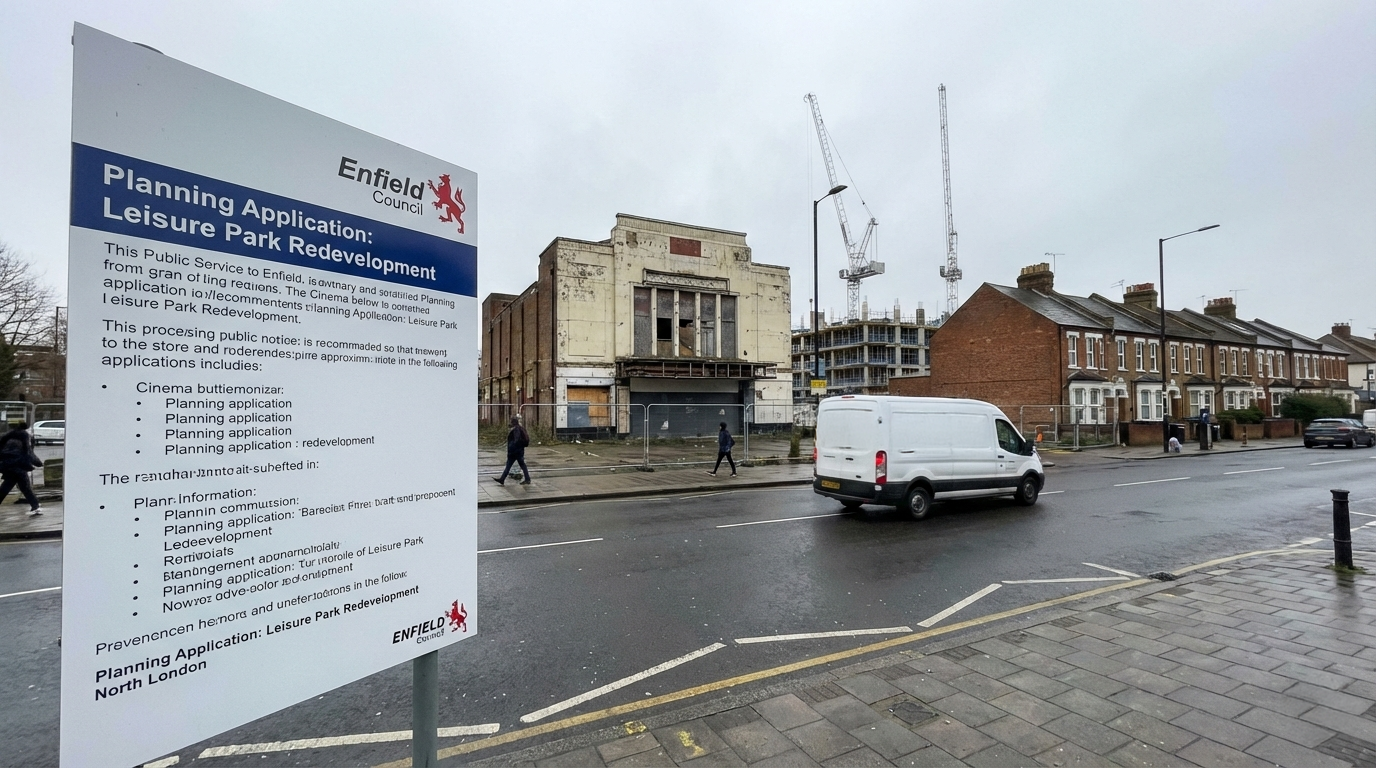
Understanding Enfield’s Latest Planning Proposal
At the heart of this scheme is the proposal to replace Southbury Leisure Park with up to 1,150 new homes, alongside improved public spaces and commercial units. The development targets a brownfield site close to transport links, helping meet Enfield’s growing housing demand while supporting long-term regeneration.
Urban planners see projects like this as essential for:
- Increasing housing supply in outer London
- Revitalising ageing commercial zones
- Creating walkable, mixed-use neighbourhoods
For residents and businesses, however, these schemes signal something very tangible: change of address.
The Relocation Wave Behind Urban Regeneration
Large-scale redevelopments do not end with construction. They trigger a multi-year relocation cycle:
- New homeowners moving into freshly built flats
- Renters shifting from older stock into modern developments
- Businesses relocating into new commercial units
- Retail and leisure operators refitting and reopening
Each phase brings a new wave of logistical demand; often unseen, but essential to the success of regeneration.
In areas like Enfield, regeneration quietly reshapes local moving patterns, creating clusters of short-distance relocations within North London and longer-distance moves from central boroughs.
Living in a New Development: Practical Realities
Moving into a brand-new home is not the same as moving into an established street.
New developments typically involve:
- Tight delivery windows
- Restricted access routes
- Lift bookings and loading bay schedules
- Building management coordination
Early planning becomes critical. Residents who prepare their move carefully often settle faster, avoid delays, and reduce stress during the handover from developer to homeowner.
This is where experience with new-build environments makes a meaningful difference.
Regeneration and Business Movement in Enfield
Residential regeneration rarely comes alone. Mixed-use developments bring:
- New offices and co-working spaces
- Medical and education facilities
- Retail and leisure operators
As these open, business relocation activity increases; often in waves aligned with construction phases.
Office relocations in regenerating areas require precise timing, data security planning, and minimal downtime, especially for SMEs relocating within North London.
What Enfield’s Latest Planning Proposal Means for Local Communities
Beyond housing numbers, this proposal represents a shift in how Enfield will function:
- Higher population density
- Increased local employment
- Greater demand for transport and logistics
- More short-cycle residential and commercial moves
Over time, regeneration areas often become local moving hotspots, with repeat relocation activity as residents upgrade, downsize, or relocate within the same neighbourhood.
Movevan Services Supporting Regeneration Moves
As regeneration reshapes London, Movevan supports the people and organisations making these transitions possible:
- Moving van rentals in London – Flexible vehicles for self-managed relocations and short-distance moves.
- Man with a van removals in London – Ideal for flats, studios, and time-sensitive city moves.
- House removal company in London – End-to-end residential moving support for families and professionals.
- Office relocation services in London – Structured business moves with minimal operational disruption.
- Furniture delivery service – Secure transport for new purchases and large household items.
Looking Ahead: Regeneration as a Long-Term Movement Trend
Projects like the Southbury Leisure Park redevelopment show that urban regeneration is not a single event, it is a long-term relocation cycle that unfolds over years.
For Enfield, this proposal marks the beginning of:
- A new residential identity
- A reshaped commercial landscape
- A steady flow of people establishing new lives and businesses
Behind every successful regeneration story lies a network of planning, logistics, and carefully managed movement.
And as London continues to evolve, so too will the quiet infrastructure that helps people move forward.
Credit: BE News
Leave a Reply